


Cannabis Blog
Why Cannabis Plants Turn Hermaphrodite & How to Stop It
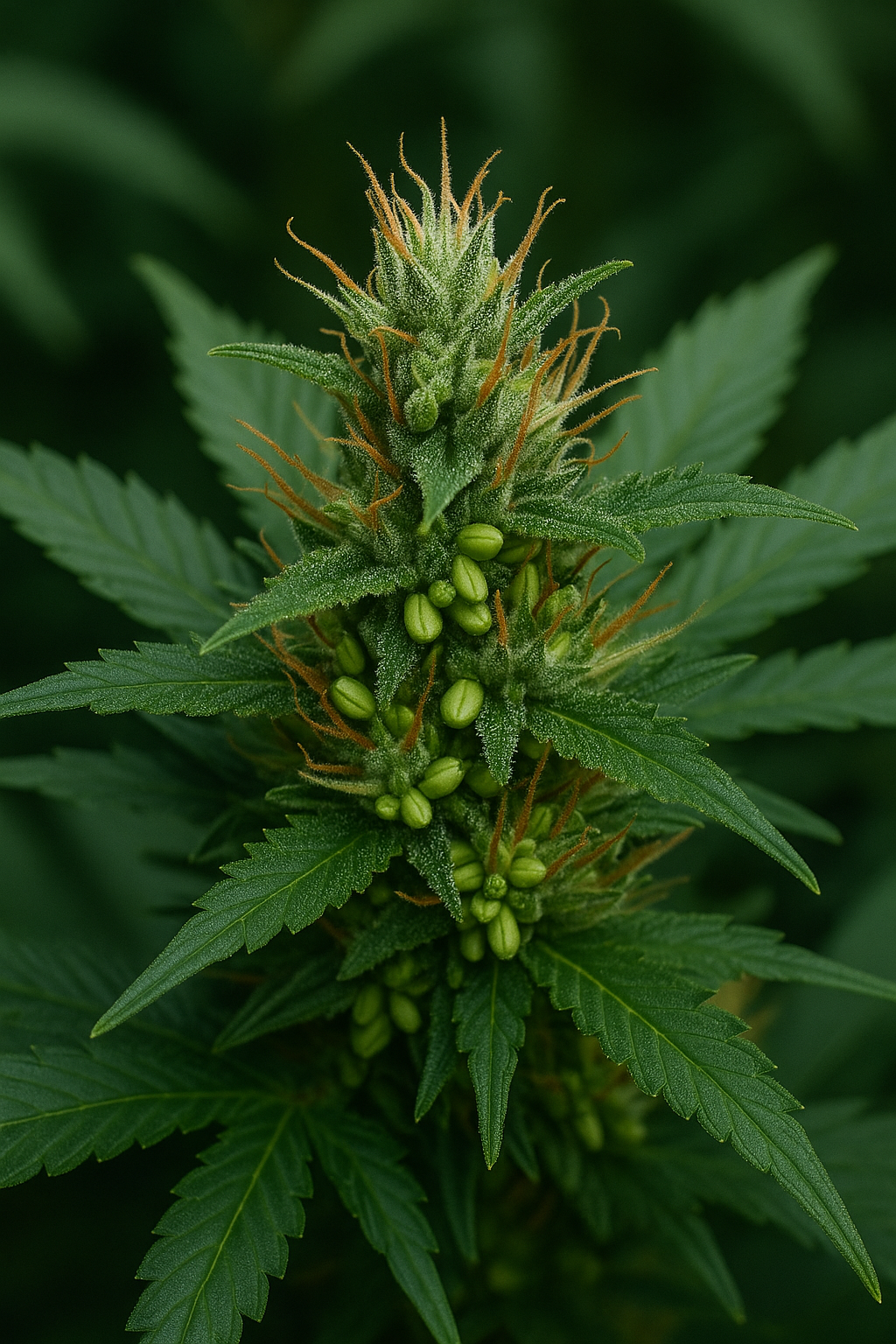
Understanding Hermaphroditism in Marijuana Plants
In cannabis cultivation, one of the most alarming issues a grower can face is discovering that a marijuana plant has developed both male and female reproductive parts—commonly referred to as a hermaphrodite. While some growers may see this as nature’s way of ensuring reproduction, hermaphroditism is generally undesirable when growing marijuana seeds intended for high-quality bud production.
A hermaphrodite cannabis plant can self-pollinate or pollinate nearby females, resulting in seeded marijuana buds that lack potency, visual appeal, and market value. Understanding why this happens is crucial for growers aiming to maximise yield, preserve their marijuana strain genetics, and avoid frustrating harvests.
What Is a Hermaphrodite Marijuana Plant?
A hermaphrodite marijuana plant contains both male and female sex organs. Instead of producing only resinous buds rich in cannabinoids, it also develops pollen sacs. This leads to self-pollination or cross-pollination with nearby female plants.
There are two primary types of hermaphroditism in cannabis:
True Hermaphrodites: These show both male and female organs at the same time, often at the nodes.
"Banana" Hermaphrodites: These develop exposed pollen-producing stamens (called bananas) inside the buds late into flowering.
Both types can ruin a crop by producing seeds instead of high-quality marijuana flowers. But what causes a marijuana plant to become hermaphroditic in the first place?
Genetic Predisposition: The Role of the Seed Bank
Genetics is a fundamental factor in determining whether a marijuana plant is likely to turn hermaphrodite. Some marijuana seeds come from parent strains with unstable or stressed-out histories. If a seed bank fails to stabilize its genetics over multiple generations, hermaphroditic traits can pass down to new plants.
Certain marijuana strains—particularly those from wild landraces or poorly stabilized hybrids—may naturally lean toward hermaphroditism. Reputable seed banks invest time in breeding out these tendencies, ensuring that their feminized marijuana seeds remain genetically reliable and less likely to turn hermaphrodite under stress.
If you're growing marijuana from unknown or bagseed sources, there's an increased risk the plant may carry the herm trait. Always purchase marijuana seeds from a trusted seed bank with transparent breeding practices to minimise this risk.
Light Leaks and Photoperiod Disruption
One of the most common environmental triggers for hermaphroditism is light stress. Cannabis plants in the flowering stage are highly sensitive to their light/dark cycles. Any interruption of the dark period—no matter how brief—can shock the plant into believing its survival is at risk, prompting it to develop male organs as a reproductive response.
Common causes of light stress include:
Grow room light leaks during the dark cycle
Malfunctioning timers
Manual light checks using phones or flashlights
Bright indicator lights from equipment inside the grow space
To avoid this, your flowering room must remain in total darkness for 12 hours a day without exception. Even small light leaks can trigger a hermaphroditic reaction in sensitive marijuana strains.
Environmental Stress: Heat, Cold, and Humidity
Marijuana plants are highly responsive to their environment. Prolonged or extreme fluctuations in temperature and humidity can stress a plant to the point of altering its development. If a plant believes it may not survive, it can switch into reproductive overdrive and develop pollen sacs to ensure the next generation of seeds.
Excessive Heat: Sustained temperatures above 30°C (86°F) can degrade terpenes and cannabinoids, and also promote herm traits.
Cold Stress: Extended exposure to temperatures below 15°C (59°F) can cause developmental issues, including sex instability.
Low or High Humidity: Incorrect humidity levels during flowering may lead to mold, nutrient issues, or stress-induced changes.
Maintaining optimal conditions throughout the grow is essential. A controlled environment allows your marijuana strain to flourish without encountering hormonal disruptions that lead to hermaphroditism.
Nutrient Imbalance and Overfeeding
Improper feeding can also contribute to the hermaphrodite problem. Overfeeding your marijuana strain with bloom boosters or phosphorus-heavy formulas may accelerate development too quickly, causing structural and hormonal stress.
Likewise, deficiencies—especially in calcium, magnesium, and micronutrients—can weaken the plant and promote unstable flower development. Sudden pH swings or lockout caused by salt buildup may also lead the plant to initiate survival strategies such as self-pollination.
Balanced feeding schedules and proper nutrient management are essential to avoid this issue and ensure your marijuana seeds produce clean, high-quality buds.
Physical Damage and Mechanical Stress
Training techniques such as topping, FIMing, super cropping, or low-stress training (LST) can be beneficial for yield. However, if done too late in the flowering cycle or too aggressively, they can shock the plant.
Likewise, accidental damage—such as breaking branches, root injuries during transplant, or excessive pruning—may cause a stress response that turns the plant hermaphroditic.
When growing marijuana and aiming to maximise yield, it's best to apply training techniques early in the vegetative phase, long before flowering begins. Always allow recovery time and monitor closely for signs of stress.
Pollination and Chemical Contamination
Another overlooked cause of hermaphroditism is exposure to airborne pollen from male plants. Even a distant male plant in the area can pollinate an early-flowering marijuana strain. Once pollinated, some plants begin producing their own male flowers to increase reproductive success.
Additionally, certain chemicals like ethylene inhibitors or growth stimulants—often found in foliar sprays or bloom boosters—can disrupt the plant's hormonal balance and result in hermaphroditic traits.
Ensure your grow space is free from unwanted pollen sources, and use only trusted, cannabis-safe products when feeding or treating your plants.
Late Flowering Stage Stress
Many growers are surprised to find “bananas” appearing in the final weeks of flowering. This is a natural response in some marijuana strains when nearing harvest, particularly if the plant feels stressed or overripe. The plant senses its lifecycle ending and tries to produce pollen to self-seed before death.
While not a true hermaphrodite in the classic sense, these late-stage male organs can still produce pollen and seed nearby buds. Check your buds regularly during the final weeks and remove any visible stamens by hand with tweezers if caught early.
How to Prevent Hermaphroditism and Maximise Yield
Here are practical steps to help you avoid hermaphrodite issues and ensure your marijuana crop reaches full potential:
Choose reputable marijuana seeds: Only buy from established seed banks with stable genetics.
Monitor your grow space: Prevent light leaks, heat spikes, and humidity imbalances.
Handle with care: Avoid late-stage stress from training or transplanting.
Feed wisely: Keep your nutrients balanced and appropriate for the growth stage.
Inspect regularly: Check for signs of pollen sacs or bananas and remove them promptly.
By staying vigilant and proactive, you can protect your marijuana strain’s genetic purity and maximise yield with healthy, seedless buds.
Conclusion: The Importance of Vigilance and Genetics
While some factors that lead to hermaphroditism in marijuana plants are genetic, many are environmental and preventable. The key to avoiding this issue lies in selecting quality marijuana seeds from a reliable seed bank, maintaining a stable grow environment, and monitoring your plants consistently.
By understanding what causes a cannabis plant to turn hermaphrodite, growers can take the necessary precautions to ensure a successful harvest, free of seeds, and rich in potency and aroma. As always, knowledge is your most powerful growing tool when it comes to cultivating top-tier marijuana strains.
Related Reading
Posted In:
Growing Cannabis