


Cannabis Blog
Bat Guano: Optimal Cannabis Cultivation Fertilizer

Bat Guano In Cannabis Cultivation
Bat guano is a natural soil amendment that some cannabis growers use to support nutrient availability, microbial life, and overall plant health. It is not magic dust, and it is not the only good cannabis fertilizer, but it can be useful when handled carefully and matched to the needs of the plant and the growing medium. This guide explains what bat guano does, where it fits, and how to think about it without overcomplicating your grow.
Why do growers use bat guano for cannabis?
Growers use bat guano for cannabis because it can contribute key nutrients while also supporting a living soil approach. Depending on the source and processing, guano may be richer in nitrogen, phosphorus, or other minerals, which makes it appealing to people who prefer organic inputs over bottled synthetic feeds. The practical benefit is simple: it can help build a nutrient-rich soil environment rather than acting only as a quick plant food.
In everyday terms, bat guano is aged bat manure. Over time, it breaks down into a concentrated organic material that can be mixed into soil blends or used as part of a broader fertility plan. Cannabis plants, like many heavy-feeding plants, need a steady supply of nutrients to move through vegetative growth and flowering. Guano can play a role in that supply, but it works best when it is treated as one ingredient in a balanced system.
That balance matters. A grower who expects one amendment to solve every nutrient problem will usually run into frustration. Soil texture, watering habits, container size, compost quality, pH tendencies, and plant stage all influence whether an amendment helps or creates problems.
Bat guano as part of a living soil mindset
Many people interested in bat guano cannabis cultivation are also interested in living soil. Living soil is less about force-feeding plants and more about creating a healthy underground ecosystem. Microbes, fungi, organic matter, minerals, moisture, and air all work together to make nutrients available in a form roots can use.
Bat guano fits this approach because it is organic and biologically active when properly sourced and stored. Rather than being immediately available in the same way as some liquid fertilizers, it often depends on microbial activity to break down and release nutrients. That slower, soil-driven process can be a benefit for growers who want a more natural rhythm.
This is also why patience is important. Organic amendments rarely behave like an on-off switch. If a plant is already showing a severe deficiency, guano may not correct the issue as quickly as a more available fertilizer. On the other hand, when used thoughtfully in a prepared soil mix, it can contribute to long-term fertility and resilience.
What nutrients can bat guano provide?
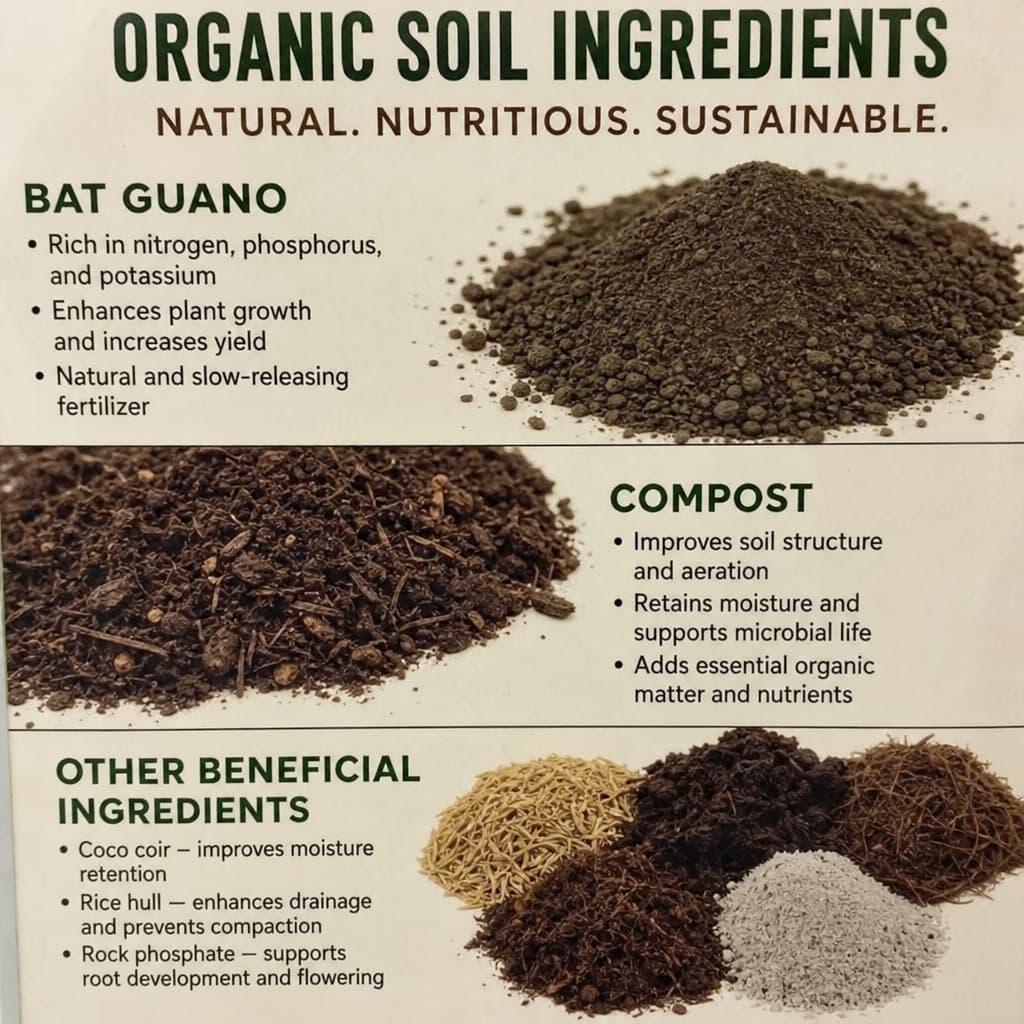
Bat guano is commonly valued for nitrogen and phosphorus, though the exact profile varies. Nitrogen is associated with leafy green growth, while phosphorus is often discussed in relation to root development and flowering. Some guano products also include smaller amounts of potassium, calcium, magnesium, and trace minerals.
The important phrase is “varies.” Not all guano is the same. Product labels, source material, age, and processing can make a meaningful difference. A high-nitrogen guano and a high-phosphorus guano are not interchangeable, even if both come from bats.
For cannabis growers, this means the plant’s stage matters. During vegetative growth, cannabis generally has a stronger demand for nitrogen. During flowering, growers often pay more attention to phosphorus and potassium, though the plant still needs a complete nutrient profile. Bat guano for cannabis may be chosen with these stages in mind, but it should not replace careful observation.
Look for signs from the plant and the soil rather than assuming more fertilizer is better. Deep green leaves, pale leaves, burnt tips, slow growth, clawing, and unusual spotting can all point to different issues. Sometimes the problem is not a lack of nutrients at all, but overwatering, poor drainage, root stress, or an imbalance that prevents uptake.
A practical way to think about organic cannabis fertilizer
Organic cannabis fertilizer is often most successful when growers think in layers. Instead of relying on one product, they build a supportive base and then adjust gently. Bat guano may sit alongside compost, worm castings, kelp meal, alfalfa meal, rock dust, fish-based inputs, or other amendments depending on the grower’s preferences and local rules.
A helpful mindset is to ask what each input is supposed to do. Compost improves organic matter and microbial diversity. Worm castings can support soil structure and mild nutrition. Mineral amendments can help with trace elements. Bat guano can add concentrated fertility, especially nitrogen or phosphorus, depending on the type.
A simple checklist before using any amendment:
- Know your medium. Soil, coco, peat-heavy mixes, and outdoor garden beds behave differently.
- Read the product label. The nutrient analysis tells you more than the name on the bag.
- Start conservatively. Organic does not automatically mean impossible to overdo.
- Watch plant response. New growth often tells a clearer story than old damaged leaves.
- Support the soil, not just the plant. Good drainage, aeration, and microbial life help nutrients work.
- Follow local law. Cannabis cultivation rules vary widely, so make sure any growing activity is legal where you live.
This kind of grounded approach keeps bat guano from becoming a guessing game. It also helps growers avoid the common trap of adding more inputs every time a plant looks unhappy.
Is bat guano always the right choice?
Bat guano is not always the right choice, even for growers who prefer organic cultivation. It can be useful, but it may be too strong for some mixes, unnecessary in already-rich soils, or a poor fit for growers who need precise control over nutrient levels. It also raises safety, sourcing, and sustainability questions that deserve attention.
One concern is handling. Dry guano can create dust, and breathing dust from any animal-derived amendment is a bad idea. Sensible precautions include wearing a mask, using gloves, avoiding windy mixing conditions, and keeping the material away from children and pets. Storage matters too; keep it sealed, dry, and clearly labeled.
Another concern is quality. Cheap or poorly handled products may be inconsistent. Since cannabis can be sensitive to excess nutrients and contaminants, growers should buy from reputable suppliers and avoid mystery amendments. If a product does not clearly state what it is, how it should be handled, or what nutrients it contains, that is a reason to pause.
Sustainability is worth considering as well. Bat colonies are ecologically important, and guano harvesting should not disturb roosts or damage habitats. Responsible sourcing matters. If sustainability is a priority for you, look for brands that explain their sourcing practices rather than treating guano as a limitless resource.
Common mistakes to avoid
Bat guano has a strong reputation in organic gardening, which can lead some growers to use it too casually. Most problems come from treating it as a cure-all instead of a concentrated amendment.
Common mistakes include:
- Using too much at once. Concentrated organic inputs can still burn plants or overload the soil.
- Ignoring the nutrient profile. A nitrogen-heavy product and a phosphorus-heavy product serve different purposes.
- Adding it to an already “hot” soil. Rich pre-amended mixes may not need more fertility right away.
- Expecting instant results. Organic amendments often need microbial activity and time.
- Skipping basic plant care. Light, airflow, drainage, and watering habits can matter as much as fertilizer.
- Handling it without protection. Dusty amendments should be treated with care.
The best growers are usually not the ones adding the most products. They are the ones who notice patterns, make small adjustments, and understand that healthy roots drive healthy growth.
Reading the plant before reaching for the bag
Before adding bat guano or any cannabis fertilizer, slow down and read the plant. Is the issue appearing on older leaves or newer growth? Are the leaves fading evenly, spotting, curling, or showing burnt tips? Is the soil staying wet for too long, drying out too quickly, or compacting around the roots?
These observations matter because nutrient symptoms can look similar. A plant that appears hungry may actually have roots struggling in soggy soil. A plant with yellowing leaves may need nutrition, but it may also be responding to natural aging, pH imbalance, or environmental stress.
A good habit is to change one thing at a time. If you adjust watering, lighting, and fertilizer all in the same week, it becomes hard to know what helped or hurt. With organic amendments, gentle, steady management usually works better than dramatic corrections.
How bat guano fits with indoor and outdoor growing
Indoor and outdoor growers often think about bat guano differently. Indoors, container plants have limited soil volume, so over-amending can show up quickly. The environment is more controlled, but the margin for error can be smaller because roots cannot explore beyond the pot.
Outdoors, soil volume may be larger, and organic amendments can become part of a broader garden ecosystem. Compost, mulch, worms, rainfall, and native soil life all influence how nutrients move. Outdoor growers may focus more on building the bed before planting rather than reacting later.
In both settings, the same principle applies: bat guano should support the system, not dominate it. If the soil is biologically active and well structured, organic amendments have a better chance of working as intended. If the growing environment is stressed, even a high-quality amendment may disappoint.
Choosing a product with care
When shopping for bat guano, avoid choosing by hype alone. The front of the package may sound exciting, but the useful information is usually in the details. Look for a clear nutrient analysis, handling instructions, and a supplier that communicates responsibly.
A thoughtful buying process may include:
- Check the nutrient numbers to understand whether the product leans toward nitrogen, phosphorus, or a broader profile.
- Read the application guidance without assuming cannabis needs more than other plants.
- Consider the format, such as dry powder, pellets, or blended soil amendment.
- Look for sourcing information if environmental impact matters to you.
- Compare it with what your soil already contains before adding another input.
This does not need to become complicated. The goal is simply to make a choice based on fit, not popularity.
Frequently Asked Questions About Bat Guano in Cannabis Cultivation
Is bat guano good for cannabis plants?
Bat guano can be useful for cannabis plants when it is used carefully and matched to the growing medium. Depending on the product, it may provide nitrogen, phosphorus, and smaller amounts of other minerals while supporting microbial activity in organic soil.
What nutrients does bat guano contain?
The nutrient profile varies by product and source. Some bat guano products are higher in nitrogen, while others contain more phosphorus. Certain products may also provide potassium, calcium, magnesium, and trace minerals. Always check the nutrient analysis before use.
Can bat guano be used during flowering?
Some growers use phosphorus-rich bat guano during flowering as part of an organic fertility program. However, cannabis still requires a balanced nutrient profile, and adding too much guano can create nutrient problems. The product label and condition of the growing medium should guide its use.
Can bat guano burn cannabis plants?
Yes. Bat guano is a concentrated organic amendment, and using too much can overload the soil or contribute to nutrient burn. Organic fertilizers should still be introduced conservatively, especially in containers or soil mixes that are already heavily amended.
Is bat guano suitable for living soil?
Bat guano can fit well into a living soil system because microbial activity helps break down organic material and make nutrients available to plant roots. It is usually most effective as one part of a balanced soil ecosystem rather than as the only nutrient source.
Is bat guano better than synthetic fertilizer?
Neither option is automatically better for every grow. Bat guano may appeal to growers who prefer organic soil amendments and biologically active growing media. Synthetic fertilizers can offer faster nutrient availability and more precise control. The best choice depends on the growing system and the grower's goals.
Can bat guano fix a nutrient deficiency quickly?
Not always. Organic amendments such as bat guano often depend on microbial activity to release nutrients, so they may work more slowly than readily available liquid fertilizers. A plant that appears deficient may also be suffering from watering, drainage, root, or pH problems rather than a lack of fertilizer.
Can you use too much bat guano?
Yes. More fertilizer does not necessarily produce better results. Excess bat guano can contribute to nutrient imbalance, overly rich soil, leaf burn, or other plant stress. Starting conservatively and observing plant response is generally safer.
Is bat guano safe to handle?
Bat guano should be handled carefully. Dry guano can create dust, so wearing gloves and a suitable mask, avoiding windy mixing conditions, and keeping the product away from children and pets are sensible precautions.
Should bat guano be used indoors or outdoors?
It can be used in both settings. Indoor container plants have limited soil volume, so over-application can cause problems more quickly. Outdoors, bat guano may be incorporated into a broader soil-building program alongside compost, mulch, and other organic amendments.
How do I choose the right bat guano product?
Look at the nutrient analysis, application instructions, product format, sourcing information, and what nutrients are already present in your soil. A high-nitrogen product and a high-phosphorus product are not interchangeable, even though both are bat guano.