


Category: Pest Control & Deficiency
Pest Control and Cannabis Deficiency Chart
Welcome to our Pest Control and Cannabis Deficiency Chart category. Whether you're a novice grower or an experienced cultivator, maintaining healthy cannabis plants is crucial for a successful harvest. This section covers managing pests and understanding nutrient deficiencies so your plants can thrive.
Pest Control for Cannabis Plants
Pests can significantly impact yield and plant health. Here's what this category covers:
- Identifying common pests: Recognizing spider mites, aphids, whiteflies, and fungus gnats — the pests that most frequently target cannabis plants.
- Preventative measures: Best practices like maintaining cleanliness, using sterile soil, and implementing natural barriers.
- Organic pest control methods: Eco-friendly solutions such as neem oil, insecticidal soaps, and beneficial insects like ladybugs and predatory mites.
- Chemical treatments: General guidance on when chemical pesticides may be appropriate and how to minimize impact on plants and environment.
- Integrated Pest Management (IPM): A holistic approach combining multiple pest control methods for long-term protection.
Cannabis Deficiency Chart: Diagnosing Nutrient Issues
Nutrient deficiencies can stunt growth, reduce yields, and weaken plants. This chart helps identify and correct issues quickly:
Macronutrient deficiencies:
- Nitrogen (N): Yellowing of older leaves, stunted growth.
- Phosphorus (P): Dark green or purplish leaves, slow growth.
- Potassium (K): Browning leaf edges, weak stems.
Micronutrient deficiencies:
- Calcium (Ca): New growth deformities, leaf tip dieback.
- Magnesium (Mg): Interveinal chlorosis on older leaves.
- Iron (Fe): Yellowing between veins on young leaves.
pH imbalances: Keeping your growing medium at the correct pH is essential for nutrient uptake and preventing deficiencies from appearing in the first place.
Solutions and Best Practices
- Balanced fertilization: Use quality fertilizers with a complete nutrient profile suited to cannabis.
- Proper watering: Avoid overwatering or underwatering, both of which can worsen nutrient deficiencies and attract pests.
- Regular monitoring: Inspect plants regularly for early signs of pests or nutrient issues.
- Healthy growing environment: Maintain optimal temperature, humidity, and ventilation to support plant health and pest resistance.
Understanding pest control and accurately diagnosing nutrient deficiencies helps your plants grow strong and produce quality buds. Browse the articles below for detailed guides on tackling common cultivation challenges.
Explore More Topics
- Growing Cannabis in Canada 101
- Cannabis Seeds INFO
- Cannabis News
- CBD Cannabis Seeds
- All About Autoflower Cannabis
- Growing Cannabis
- Hash, Shatter, Oil & Concentrates
- Strain Reviews
Disclaimer: Articles in this category are for educational and informational purposes only and are not legal or medical advice. Cannabis laws differ by province, territory and country; you are responsible for knowing and following the rules where you live. Adults of legal age only.
-
Fungus Gnats in Cannabis: Identify, Prevent & Eliminate
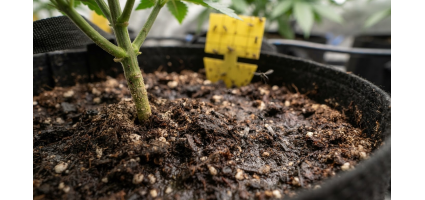
Fungus Gnats in Cannabis: How to Get Rid of Them
You water your cannabis plant, give it a gentle breeze, and notice a few tiny black flies drifting around the soil surface. They look like fruit flies. You wave them off. A week later, your...
Read More -
Top 5 Mold-Resistant Strains for Successful Growing
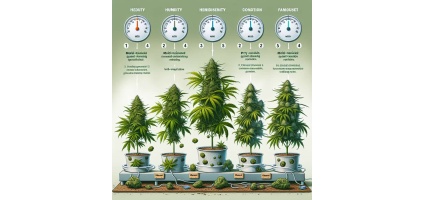
Top 5 Mold-Resistant Strains for Successful Growing
Mold is one of the most persistent challenges growers face when cultivating marijuana. Whether you’re an expert or a first-time gardener, keeping mold at bay is crucial for producing healthy,...
Read More -
A Comprehensive Guide to Cannabis Deficiencies

A Comprehensive Guide to Cannabis Deficiencies
Welcome to the ultimate guide on diagnosing and resolving cannabis deficiencies, brought to you by Montreal Cannabis Seeds. Cultivating healthy cannabis plants—whether you’re growing for high THC...
Read More
