


Growing Cannabis In Canada
Fimming (FIM) Cannabis Plant: A Complete Guide to Maximizing Your Harvest
Fimming (FIM) Cannabis Plant: A Complete Guide to Maximizing Your Harvest
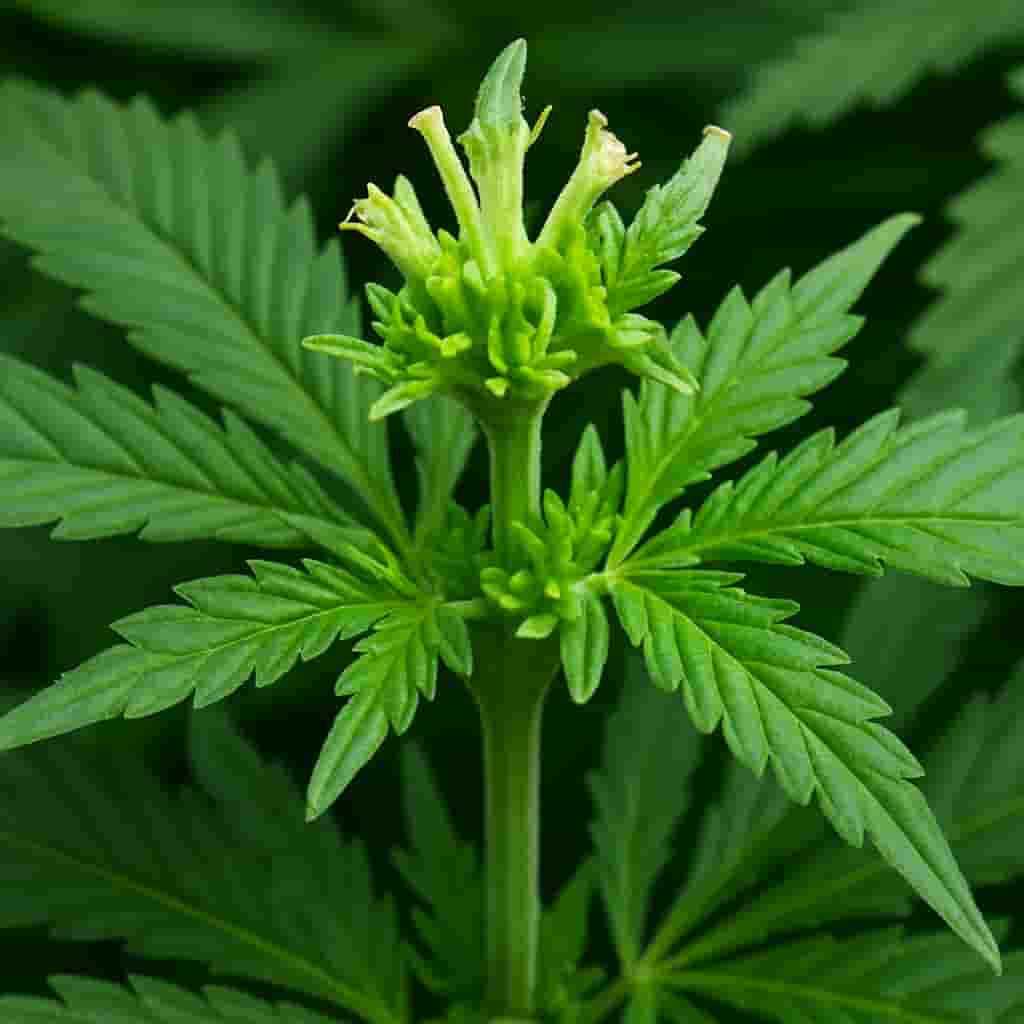
Cannabis cultivation is an art. It requires knowledge, patience, and a keen understanding of plant behavior. One technique that has gained popularity among growers is fimming. This method, often compared to topping, is a form of high-stress training that can significantly impact your plant's growth and yield.
Fimming, an acronym for "F**k I Missed," is a less precise cut than topping. It's a technique that can result in bushier plants and increased yields.
In this comprehensive guide, we'll delve into the world of fimming. We'll explore its benefits, how it compares to topping, and how to properly execute this technique for effective cannabis plant training.
Whether you're a novice grower or an experienced cultivator, understanding fimming can help you maximize your plant's potential. So, let's dive in and learn how to FIM your cannabis plant.
Understanding Fimming in Cannabis Cultivation
Fimming is a unique approach to cannabis plant training. It aims to increase yield and develop multiple colas. By cutting the top growth, fimming redirects plant hormones, fostering lateral growth instead of vertical expansion. This high-stress technique, while less precise than topping, encourages a fuller, bushier plant structure.
One key aspect of fimming is its ability to boost light exposure. Enhanced light penetration helps lower branches develop more effectively, promoting an even canopy. This adjustment can lead to a significant increase in the overall harvest.
Air circulation also benefits from fimming. A more open plant structure reduces the risk of mold and mildew. This is vital, especially in densely packed growing spaces. Fimming can also be performed repeatedly, creating a complex, well-managed canopy.
Understanding fimming's role in cannabis cultivation provides growers with a versatile tool. It enhances both indoor and outdoor grows, offering flexibility and control over the plant's shape and size. With fimming, cultivators can achieve a balance between aesthetic goals and production.
What is Fimming?
Fimming is cutting the growing tip of a cannabis plant. This technique redirects growth hormones, called auxins, to side branches. The result is more colas or flowering sites, leading to increased yield. Fimming is different from topping in its method of cut. Topping creates two main colas, while fimming promotes the growth of four or more.
This technique involves trimming about 75% of the new growth. By leaving some growth intact, fimming encourages the plant to spread out and become bushier. Unlike topping, which makes a cleaner cut, fimming is less precise. This ambiguity gives it its namesake "F**k I Missed." Fimming is best done during the plant's vegetative stage when the plant can recover and adapt.
The Origins of Fimming
Fimming's origin is as intriguing as its name. It reportedly emerged from accidental experimentation when growers aimed for topping but missed. The unexpected results caught growers' attention, leading to the name "F**k I Missed." Over time, fimming grew in popularity due to its effectiveness in managing plant size and increasing yields.
The practice gained traction among hobbyists and professional growers alike. The subtle nuances of fimming encourage experimentation, allowing cultivators to learn and refine their techniques.
Today, it stands as a recognized method in the cannabis cultivation community. The unique benefits of fimming drive its continued use in varied growing environments. With the right knowledge, growers can skillfully implement this method to enhance their plants’ health and productivity.
Fimming vs Topping: A Comparative Analysis
In cannabis cultivation, both fimming and topping are popular techniques. They serve similar purposes but achieve them through different methods. Each has its own set of advantages and challenges. Understanding both can help growers make informed decisions.
Fimming is less precise but encourages a bushy, wide plant structure. Topping, on the other hand, is more predictable. It involves cutting off the plant's top to promote the growth of two main colas. While topping is cleaner, fimming can potentially produce more colas.
Here are some key differences between fimming and topping:
Fimming: Less precision, results in more colas, moderate stress.
Topping: High precision, results in two main colas, higher stress.
Recovery: Fimming's recovery may be quicker due to less severe cuts.
Both techniques influence plant hormones, directing growth towards lateral branches. This effect enhances overall productivity. However, topping often demands a longer recovery period due to its more aggressive cut.
For growers with limited space, fimming might be favorable. It creates a dense, evenly lit canopy. Topping, meanwhile, suits growers aiming for control over fewer but larger colas. Each method requires attention to the plant's response. Continual monitoring and adjustments ensure optimal results.
The Process of Topping a Cannabis Plant
Topping is a straightforward technique. It involves cutting the main stem at the node. This node is typically at the uppermost point where leaves diverge.
By removing the top growth, the plant is forced to redirect energy. This encourages two new branches to grow. These branches eventually become the main colas.
Topping requires precision and clean tools. The cut should be clean and angled slightly for the best results. This ensures the plant is less susceptible to infection. After topping, growers should monitor the plant's recovery and provide adequate nutrients to support new growth.
The Process of Fimming a Cannabis Plant
Fimming demands careful execution yet is forgiving for beginners. Growers should cut approximately 75% of the top growth. This means more room for interpretation compared to topping.
Unlike topping, fimming aims for stimulating more than two new growth points. The cut is less defined, promoting multiple colas to develop. This results in a bushier and fuller plant structure.
To fim effectively, use sterilized scissors to prevent infection. Timing is crucial; fimming should occur when the plant has at least 3-5 nodes. Observing the plant's response is essential. The plant will show signs of stress initially but should recover within a few days to weeks. Prompt aftercare with suitable nutrients helps in a smooth recovery.
The Benefits of Fimming Your Cannabis Plant
Fimming cannabis plants offers numerous benefits, especially for those wanting to maximize their yield. By removing the top portion of growth, fimming forces the plant to redirect its energy. This redirection encourages bushier growth and multiple colas.
One of the main advantages is the potential for increased yields. Unlike traditional growing, fimming creates a fuller plant with more flowering sites. More flowering sites translate to a higher number of buds, which ultimately boosts overall yield.
Key benefits of fimming your cannabis plant include:
Increased number of colas and flowering sites
Fuller, bushier plant structure
Better light distribution and air circulation
Enhanced control over plant shape and size
Fimming also improves canopy management. A more even canopy allows for optimal light penetration. This setup enhances plant growth and productivity. With a more controlled growth pattern, growers can better manage their plants' health and space.
Fimming presents a practical approach for maximizing cannabis growth. It is a versatile technique suitable for various growing conditions. Both indoor and outdoor growers can benefit from its yield-enhancing potential.
Increased Yields and Bushier Plants
Fimming enhances plant yields through intentional stress and redirection of growth. It compels the plant to produce multiple colas instead of focusing on a single main cola. This increased branching results in a bushier plant with more bud sites.
The technique leverages the plant's natural response to damage. By cutting the growth, fimming activates lateral growth hormones. This process ensures that energy is spread equally across the plant, rather than being concentrated at the top.
Bushy plants are generally more desirable for yields. They provide more space for buds to develop. This bushiness increases the plant's overall productivity, leading to more substantial harvests. For growers looking to maximize output per plant, fimming is a reliable method to achieve success.
Improved Light Exposure and Air Circulation
Fimming not only increases yields but also enhances the plant’s environment. The technique naturally improves light exposure to lower parts of the plant. This even light distribution is crucial for robust growth.
When a plant's canopy is more uniform, light can penetrate deeper. This penetration ensures that even the lower buds receive sufficient light. As a result, these buds develop better, contributing to the overall yield quality.
Additionally, fimming promotes improved air circulation within the plant. With a bushier structure, there is more space for air to move through the leaves. Good airflow reduces the risks of mold and mildew, ensuring healthier growth conditions. Enhanced air circulation is vital for preventing fungal diseases in cannabis cultivation.
How to FIM Your Cannabis Plant: A Step-by-Step Guide
Fimming cannabis is a straightforward yet precise practice. Start by inspecting your plant for healthy growth. Ensure the plant has at least three to five nodes before attempting fimming. This signifies it's mature enough to handle the stress.
Once ready, sterilize a pair of sharp scissors or blades. Sterilization is crucial to avoid infections. Cut the newest growth at the top, removing about 75% of it. This cut should be less precise than topping, leaving behind some new growth.
Aim for a four-way leaf pattern. This will encourage multiple colas to form. The technique redirects the plant’s hormones from vertical growth to lateral growth.
Keep your cuts clean and controlled. Avoid cutting too much, as over-fimming can stress the plant. Maintain a delicate balance to allow the plant to thrive.
After cutting, observe the plant’s response over the following weeks. The initial signs of successful fimming include new shoots forming from below the cut site. Be patient; visible results may take several days to manifest.
Monitor the plant for stress symptoms like wilting or discoloration. Immediate aftercare and good environmental conditions will ensure a smooth recovery. Provide adequate nutrients and adjust light exposure if necessary.
When to FIM Your Cannabis Plant
Timing is crucial in fimming. The optimal period is during the vegetative stage. Wait until the plant has at least three nodes. This ensures the plant is strong enough to recover from the stress. Fimming too early can hinder growth, while doing it too late can reduce its benefits.
Do not attempt to FIM during the flowering stage. It can negatively affect bud development and yield. Always consider the specific growth patterns of the strain you're working with. Some strains may require adjustments in timing for optimal results.
Strain genetics can also influence timing. Monitor your plant’s growth closely to determine the best time to apply the technique. Strain-specific adaptations are often necessary to achieve the best outcomes with fimming.
Tools and Techniques for Fimming
Using the right tools is essential for effective fimming. Begin with a pair of clean, sharp scissors or a small blade. These tools should be sterilized to prevent infections. Here’s a simple technique to follow:
Identify the newest growth at the top of the plant.
Use sterilized scissors to cut about 75% of this growth.
Aim for a less precise cut than topping, leaving some growth behind.
Precision is not crucial, but ensuring the cut promotes lateral growth is. A steady hand helps make the cut clean. This will encourage vigorous, healthy new growth.
Always ensure the plant is in a state of health before applying stress through fimming. A healthy plant will have better recovery and response to the technique.
Aftercare: Ensuring a Healthy Recovery
After fimming, the plant needs proper care. Ensure it gets enough nutrients and water to support new growth. Monitor the environmental conditions closely. Optimal light exposure and good air circulation are crucial during recovery.
Keep an eye on the plant for signs of stress. Symptoms such as wilting or discoloration indicate a need for adjustments. Consider altering light intensity or nutrient levels to aid in recovery.
Be patient with the plant’s recovery process. It may take several days to notice new growth. Patience pays off as the plant begins to show signs of increased vigor and multiple colas starting to form.
Common Mistakes and Troubleshooting
Fimming cannabis can be an art, and mistakes can happen. Knowing how to troubleshoot common issues is key. Over-fimming is a prevalent mistake which can stress the plant unnecessarily. Excessive cuts may hinder growth and lower yield.
Another mistake is fimming too early or too late. Timing is everything in fimming. Ensuring that the plant is at the right stage is crucial for success. Misjudging this can lead to poor results.
Environmental factors can affect the recovery process. Incorrect light or nutrients post-fimming can delay growth. Monitoring and adjusting these factors helps your plant flourish.
Here's a quick list of common fimming errors:
Over-cutting or removing too much growth
Incorrect timing in the plant's life cycle
Failing to maintain sterile equipment
Ignoring the plant's response to stress
Pay close attention to your plant’s signals. Each cannabis plant may react differently to fimming. Understanding those reactions can guide your adjustments and improve outcomes.
Over-Fimming and Plant Stress
Over-fimming occurs when too much of the plant is cut. This can lead to significant stress, stunting growth and reducing vitality. The plant may struggle to recover, and its ability to produce colas is hindered.
Stress signs include drooping leaves or slow growth. Wilting, discoloration, or leaf curling are further indications of stress. These symptoms need immediate attention.
Avoid over-fimming by making smaller, calculated cuts. Gradual fimming reduces stress and allows better recovery. Always assess the plant's capacity to handle stress before proceeding.
Signs of a Successful FIM
A successful fim shows clear indicators. New shoots should emerge from below the cut site, signaling healthy growth. The formation of multiple new colas is a sure sign of success.
Look for a bushier appearance. Successful fimming encourages lateral growth instead of vertical. The plant should start developing a more even canopy, optimizing light distribution.
Healthy and robust new growth indicates recovery. This means the plant is not just recovering but thriving post-cut. With time, you'll notice a vigorous plant, ready to enter flowering with enhanced potential.
Advanced Techniques: Combining Fimming with Other Training Methods
Fimming cannabis can be a standalone method, but it also integrates well with other techniques. By combining fimming with other plant training methods, growers can optimize yield and plant shape. These combinations can help manage plant size, health, and resource efficiency.
Low-stress training (LST) is a popular method to pair with fimming. Together, they can shape the plant's growth to maximize light exposure and flowering sites. This blend offers control over both vertical and horizontal growth dimensions.
Sea of Green (SOG) and Screen of Green (SCROG) techniques also complement fimming. They focus on creating a uniform canopy for efficient light use. Fimming helps by encouraging even branch development.
Advanced growers often mix these techniques to develop custom training regimens. Balancing stress and growth needs can lead to impressive results. Experimentation with combinations can uncover the best approach for specific growing conditions and strain genetics.
Incorporating Low-Stress Training (LST)
Low-stress training (LST) gently manipulates plant shape without heavy stress. After fimming, LST encourages horizontal growth by bending branches. This practice allows light to reach lower nodes, promoting even growth.
While fimming increases growth sites, LST ensures that each receives ample light. The combination results in robust, bushy plants with multiple colas. Growth becomes more controlled, making the canopy even.
Starting LST a few days after fimming is ideal. This gives the plant time to recover from the cuts. Adjust ties or supports gradually to avoid damage. Successful integration enhances both yield and plant health.
Creating a Sea of Green (SOG) or Screen of Green (SCROG)
The Sea of Green (SOG) method involves growing many small plants. This creates a dense canopy for quick turnarounds in flowering. Fimming can be used here to enhance site numbers. More colas lead to more uniform bud growth.
Screen of Green (SCROG) uses a screen to train plants to grow horizontally. Fimming results in lateral growth, which complements SCROG setups. As branches grow through the screen, each is trained to maximize space usage.
Both SOG and SCROG benefit from fimming by increasing bloom sites across the canopy. Adjust the screens or plant positions for optimal exposure. These methods capitalize on fimming's ability to promote prolific branch growth.
Conclusion: Maximizing Your Cannabis Plant's Potential
Fimming cannabis is a potent technique in plant training. It offers a unique blend of stress and encouragement for growth. This leads to the development of multiple robust colas.
The versatility of fimming allows integration with other methods like LST and SCROG. These combinations can unlock greater yields and efficient use of growing space. Through thoughtful experimentation, growers can achieve their desired plant structure and productivity.
Ultimately, fimming is not just about cutting. It’s about understanding your plants and tailoring techniques to their needs. As you refine your approach, remember that every strain, environment, and method holds the potential for learning and improvement.
Posted In:
Growing Cannabis
Disclaimer
The information provided on this website, including all articles, guides, and resources within the Cannabis Seeds Blog, is intended for educational and informational purposes only. While we strive to deliver accurate, up-to-date, and research-based content, we make no guarantees regarding its completeness, reliability, or suitability for your specific situation.
Cannabis cultivation, possession, and use are subject to local, provincial/state, and federal laws that vary widely by region. It is the sole responsibility of the reader to understand and comply with all applicable laws before purchasing seeds, germinating seeds, or engaging in any form of cannabis cultivation. Nothing on this website should be interpreted as legal advice, medical advice, or encouragement to violate any regulations.
All strain reviews, cultivation tips, and product recommendations reflect general knowledge and personal or industry experience; individual results may vary depending on environmental conditions, grower skill, genetics, and other factors. Growing cannabis always involves risks, including crop failure, pests, mold, and financial loss. By using this website, you acknowledge that any actions you take based on the information provided are done at your own discretion and risk.
If you have questions regarding legality, health considerations, or professional cultivation practices, we strongly recommend consulting with a licensed legal professional, healthcare provider, or qualified horticulture expert.
By accessing this blog, you agree that the website, its authors, and its affiliates shall not be held liable for any damages, legal consequences, or losses arising from the use or misuse of the information provided.