


Cannabis Blog
What Are Feminized cannabis Seeds
What Are Feminized Cannabis Seeds?
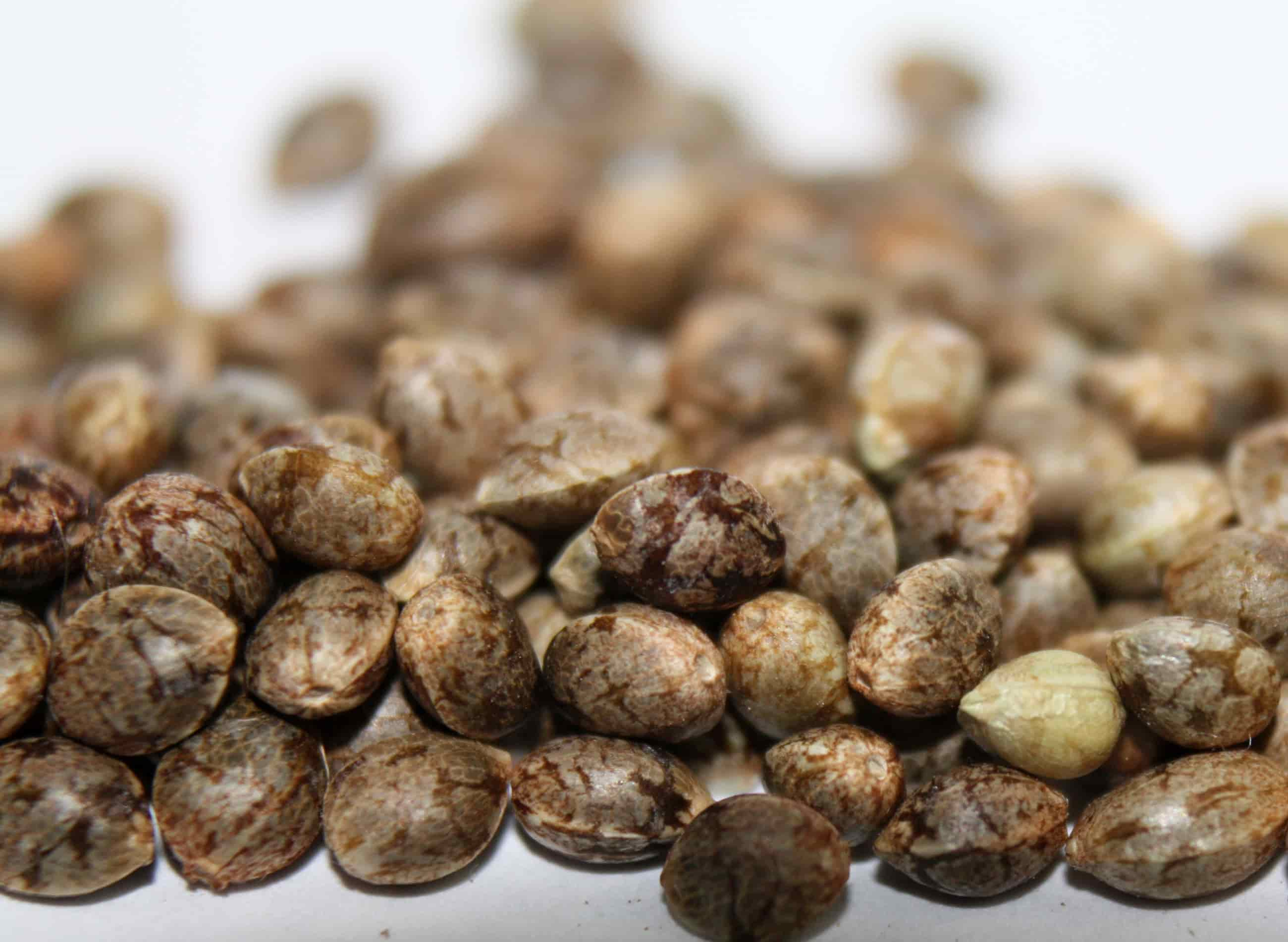
Feminized cannabis seeds (often called weed seeds or pot seeds) are specially bred to produce 99% female marijuana plants. Female plants are the goal for growers because they develop the resinous, cannabinoid-rich flowers (buds) used for medicinal or recreational purposes. Unlike regular marijuana seeds, which have a 50% chance of growing male or female plants, feminized seeds eliminate the risk of male plants entirely. This ensures growers maximize their space, resources, and harvests, making feminized seeds the top choice for cultivators prioritizing efficiency, potency, and consistency.
The process of feminization has revolutionized cannabis cultivation, allowing both hobbyists and commercial growers to avoid the tedious task of identifying and removing male plants. Male plants do not produce buds and can pollinate females, triggering seed production instead of resinous flowers. By using feminized marijuana seeds, growers can focus entirely on nurturing high-quality, seedless buds (sinsemilla), which are more potent and valuable.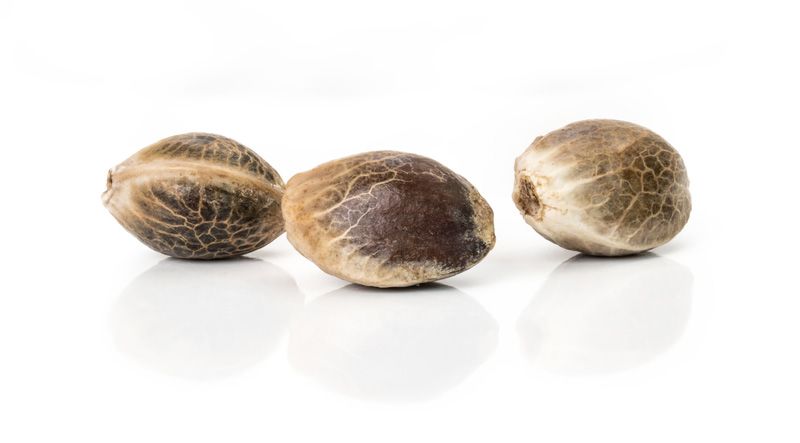
The Science Behind Feminized Marijuana Seeds
Feminized marijuana seeds are created by manipulating the genetics of female plants to produce pollen. This pollen is then used to fertilize another female plant, resulting in seeds that carry only female genetics (XX chromosomes). The most common methods include:
Colloidal Silver Spray: A solution applied to female plants to block ethylene, a hormone responsible for flower development. This triggers the plant to grow pollen sacs instead of buds.
Rodelization: Stress-induced self-pollination by extending the plant’s light cycle, forcing it to produce pollen as a survival mechanism.
Silver Thiosulfate: A chemical treatment that disrupts hormone balance, reversing the plant’s sex.
These techniques ensure that the resulting weed seeds inherit female-only genetics. Reputable seed banks use stabilized breeding practices to guarantee genetic consistency, meaning growers can expect predictable growth patterns, cannabinoid profiles (e.g., THC, CBD), and resilience to environmental stressors.
Why Choose Feminized Marijuana Seeds? 5 Key Benefits
Guaranteed Female Plants: Eliminates the risk of male plants, saving time and effort spent on identification and removal.
Higher Yields: Female plants dedicate energy to bud production, not seeds, leading to denser, resin-packed flowers.
Space Efficiency: Ideal for small gardens, indoor tents, or greenhouse setups where every pot seed must count.
Consistent Genetics: Trusted seed banks stabilize their marijuana strains for uniform growth, potency, and flavor.
Cost-Effective Cultivation: No wasted resources on non-productive male plants, ensuring a higher return on investment.
For example, a grower using feminized weed seeds in a 10-plant indoor setup can expect 10 bud-producing females, whereas regular seeds might yield only 5 females and 5 males. This doubles the harvest potential while halving labor and resource waste.
How Are Feminized Pot Seeds Produced? A Step-by-Step Breakdown
The production of feminized pot seeds relies on advanced breeding techniques to force female plants to produce pollen. Here’s a closer look:
Selecting a Female Plant: Breeders choose a healthy, stable marijuana strain with desirable traits (e.g., high THC, disease resistance).
Applying Stress Techniques:
Colloidal Silver: Sprayed on branch sites to block ethylene and induce pollen sacs.
Light Stress: Altering light cycles (e.g., 24+ hours of light) to trigger hormonal changes.
Collecting Pollen: Once pollen sacs form, they’re harvested and used to fertilize another female plant.
Harvesting Seeds: The fertilized female plant produces seeds carrying exclusively female genetics.
This process ensures that feminized marijuana seeds retain the traits of the original strain while eliminating male chromosomes.
Top 10 Feminized Marijuana Strains for Maximum Yield and Potency
OG Kush Feminized: A legendary marijuana strain with 24% THC, earthy pine flavors, and stress-relieving effects.
Blue Dream Feminized: A balanced hybrid (Sativa-dominant) offering creativity and calm, ideal for daytime use.
White Widow Feminized: Famous for its resin-coated buds and euphoric, energizing high.
Quebec Blue Feminized: A sweet, potent strain with 25% THC, perfect for pain and insomnia relief.
Sour Diesel Feminized: A sharp, fuel-like aroma with invigorating cerebral effects.
Gorilla Glue #4 Feminized: Ultra-resinous buds with 30% THC for heavy relaxation.
Northern Lights Feminized: A classic indica with fast flowering and deep body relaxation.
Fruity OG Kush Feminized: Tropical flavors and a balanced, uplifting high.
Wedding Cake Feminized: A sweet, earthy hybrid with 27% THC and calming effects.
Amnesia Haze Feminized: A Sativa-dominant weed seed strain for focus and creativity.
Each of these pot seeds is bred for reliability, making them favorites among growers seeking high THC levels and robust yields.
How to Grow Feminized Weed Seeds: Expert Tips for Success
Whether you’re growing indoors or outdoors, these strategies ensure healthy plants and heavy harvests:
Indoor Cultivation
- Lighting: Use full-spectrum LED lights (18–24 hours during vegetation; 12/12 cycle for flowering).
- Nutrients: Start with nitrogen-rich fertilizers in vegetation; switch to phosphorus-heavy formulas during flowering.
- Climate Control: Maintain 68–78°F (20–25°C) and 40–50% humidity. Use fans for airflow to prevent mold.
- Training: Apply low-stress training (LST) to spread branches and maximize light exposure.
Outdoor Cultivation
- Season Timing: Plant weed seeds after the last frost. Harvest before autumn rains to avoid bud rot.
- Soil Preparation: Use well-draining soil amended with compost or worm castings.
- Pest Management: Neem oil or companion planting (e.g., marigolds) deters insects naturally.
General Tips
- Watering: Avoid overwatering—let soil dry slightly between sessions.
- pH Balance: Keep soil pH between 6.0–6.5 (hydroponics: 5.5–6.0).
- Harvesting: Wait until 70% of trichomes turn milky for peak THC.
Feminized vs. Regular vs. Autoflowering Marijuana Seeds
- Feminized Seeds: 99% female, require light cycle changes, and offer large, controllable yields.
- Regular Seeds: 50% male/female, better for breeding new marijuana strains but inefficient for harvesting buds.
- Autoflowering Seeds: Flower automatically based on age, not light. Faster harvests but smaller yields.
Best For
- Feminized: Growers prioritizing yield and control.
- Autoflowering: Beginners or those needing quick harvests.
- Regular: Breeders developing new genetics.
Debunking 5 Common Myths About Feminized Pot Seeds
Myth: “Feminized seeds are genetically modified (GMO).”
Fact: They’re bred using natural stress techniques, not laboratory genetic engineering.Myth: “Feminized plants have lower THC.”
Fact: THC depends on the marijuana strain’s genetics, not the feminization process.Myth: “Feminized weed seeds hermaphrodite easily.”
Fact: Only poor-quality seeds or extreme stress (e.g., light leaks) cause hermaphroditism.Myth: “Feminized seeds can’t be cloned.”
Fact: Clones retain the same genetics as the mother plant, including feminized traits.Myth: “Feminized pot seeds are less stable.”
Fact: Reputable seed banks stabilize strains through multiple generations of breeding.
Why Feminized Seeds Dominate Indoor and Outdoor Grows
Indoor Advantages
- Space Optimization: No male plants mean every square foot is used for bud production.
- Controlled Environment: Adjust light, temperature, and nutrients to suit specific marijuana strains.
Outdoor Advantages
- Natural Sunlight: Full-spectrum light enhances terpene and cannabinoid profiles.
- Sustainability: Larger plants thrive in open spaces without pollination risks.
FAQs About Feminized Marijuana Seeds
Q: Can feminized weed seeds turn male?
A: No—they’re genetically female. However, extreme stress (e.g., drought, light leaks) may cause hermaphroditism.
Q: How long do feminized pot seeds take to harvest?
A: Most marijuana strains flower in 8–12 weeks. Sativas often take longer than indicas.
Q: Are feminized marijuana seeds legal?
A: Legality varies by region. Always check local laws before purchasing or growing.
Q: Do feminized seeds produce seeds?
A: Only if pollinated by a male or hermaphrodite plant. Isolate females for seedless buds.
Q: What’s the best marijuana strain for beginners?
A: Northern Lights Feminized—easy to grow, resilient, and fast-flowering.
Final Call to Action
Ready to grow premium buds with zero guesswork? Explore our curated selection of lab-tested feminized marijuana seeds, featuring award-winning weed seeds and pot strains with guaranteed female genetics. From high-THC hybrids to CBD-rich varieties, we provide everything you need for record-breaking harvests. Shop now and transform your grow!
Related Reading
Posted In:
Cannabis Seeds INFO